
The Leg Extension Is Coaching's Favourite Exercise. It Earned It.
The machine that gym purists love to mock was the most prescribed single exercise on FitFocus in October 2026. We think it earned the spot, and the knee worry that follows it around is mostly out of date.
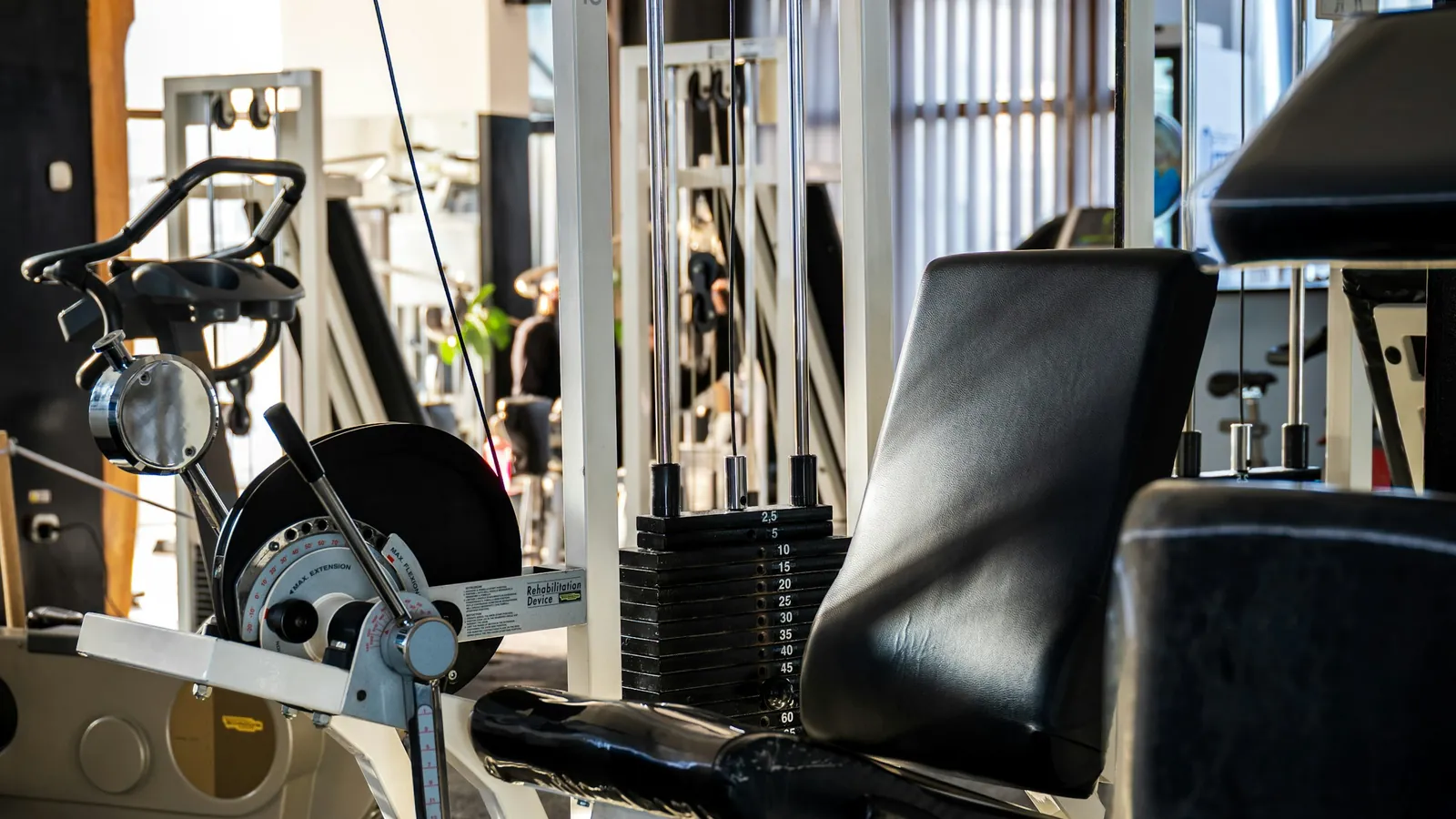
Photo by Stefan Vibes on Unsplash
The leg extension has a reputation problem. Gym purists call it a bodybuilding vanity lift, and a generation of trainers were told it wrecks knees. So is the leg extension a good exercise? The people who write programs for a living have answered with their pens. In October 2026 it was the single most prescribed exercise on FitFocus, written into client programs more often than any other individual exercise.
This is an opinion piece. We think the leg extension earned its place, and that most of the worry attached to it is out of date.
Is the leg extension a good exercise?
Yes, for most clients. It isolates the quadriceps, it is easy to learn and load, and the fear that it damages healthy knees is overstated. Premium coaches agree: in October 2026 it was the most prescribed single exercise on FitFocus, programmed for about a third of all clients, more than the back squat.
Some context on where it sits. Grouping all its variations together, the leg extension reached 35% of clients in October. The back squat reached 33%, the hip thrust 31% and the leg press 27%. The full ranking for the month is in our report on what coaches programmed in October 2026. A machine that reaches more than a third of every client on the platform is not one practice's habit. It is close to a consensus.
Why coaches keep writing it
It reaches the muscle squats leave behind
The quadriceps are four muscles, and one of them, the rectus femoris, also crosses the hip. In a squat it shortens at the knee while lengthening at the hip, so it does less of the work than the other three. In a seated leg extension it does plenty. A 1998 study comparing open- and closed-chain knee exercises by Escamilla and colleagues found open-chain work recruited more rectus femoris, while squats and leg presses leaned on the vasti. Ema and colleagues later found knee-extensor training grew the rectus femoris proportionally more than the other three. If you want the whole quad, the squat alone leaves a gap.
It is safe to push hard
A leg extension can be taken close to failure with no spotter, no balance demand and no technique breaking down under fatigue. For an older client, a beginner, or anyone whose back limits how heavily they can squat, that is the difference between training the quads hard and not training them at all.
It is easy to program remotely
Almost every gym has one. The setup is the same everywhere, and a client can learn it from a short demo video. For a coach who will never see the client lift in person, that predictability is worth a lot.
What about the knees?
The knee worry comes from real biomechanics, read too broadly. The same Escamilla study found that tension in the anterior cruciate ligament appeared only in the open-chain exercise, and only near full extension. Squats and leg presses, for their part, put roughly twice the load on the posterior cruciate ligament, and the highest kneecap compression in the squat came near full depth.
In other words, every knee exercise loads something. The leg extension loads the ACL near lockout and the kneecap through the middle of the range; the squat loads other structures at the bottom. For a healthy knee, none of that is a reason to avoid either. For someone recovering from an ACL reconstruction or managing kneecap pain, the range and timing of open-chain work is a decision for their physiotherapist or surgeon, not for a blog post.
The range-of-motion debate shows up in the data
One detail in the October data is worth pausing on. Alongside the ordinary leg extension, a separate "shortened position" variation appeared in programs for about one in twenty clients. That is a leg extension done only through the top of the range, near lockout.
The hypertrophy research has moved the other way. A 2022 trial by Pedrosa and colleagues found that leg extensions done only in the stretched, bottom part of the range (from 100 to 65 degrees of knee bend) produced more growth in some quadriceps regions than full-range or top-range partials. Strength gains were similar across groups.
That doesn't make the shortened version wrong. Top-range work is common in knee rehab and in teaching a client to finish the movement, and some of those prescriptions are almost certainly for that. But if the goal is bigger quads, the evidence points to the bottom of the range, not the top. Coaches writing a partial should know which end they want and why, and the exercise name should say so.
Where we think coaches could do better
The leg extension is rarely the problem. What it is paired with sometimes is. The hamstring curl reached 29% of clients in October against 35% for the leg extension. That is close, and most practices clearly pair the two, as we found in the exercises coaches pair together. But a gap of six percentage points means some clients are getting quad isolation without the hamstring work that balances it.
Our view: write the leg extension without apology, pair it with a curl, and decide on purpose which part of the range you are training. The rest of the lower-body picture, and why the posterior chain gets so much attention, is in the lower-body moves nearly every coach programs. The same balancing instinct shows up on the upper body, where coaches now program more pulling than pushing. Building the pairing into shared templates in a program builder is how a team makes it the default rather than something each coach has to remember.
Common questions about the leg extension
Are leg extensions bad for your knees?
Not for healthy knees. Research shows the leg extension puts some tension on the ACL near full extension, while squats load other parts of the knee more. Every knee exercise loads something. If you have a knee injury or recent surgery, ask your physiotherapist how and when to use open-chain work.
Should I do leg extensions or squats?
Most programs use both. Squats train the whole lower body and leave the rectus femoris, the quad muscle that crosses the hip, comparatively underworked. Leg extensions isolate all four quad muscles, including that one. In October 2026, premium coaches on FitFocus programmed each for about a third of their clients.
Are partial leg extensions better?
It depends which part. A 2022 trial found partial leg extensions in the stretched, bottom part of the range built more quad muscle in some regions than full or top-range partials. Top-range partials have a place in knee rehab, but for muscle growth the evidence favours the bottom of the movement.
Methodology
This piece uses exercise prescriptions written into client programs on the FitFocus coaching platform during October 2026. "Most prescribed single exercise" refers to individual exercise names as coaches wrote them. Client reach groups variations into canonical movements and counts the share of clients with at least one prescription of the movement in the month. The figures are observational and are not a training or rehabilitation prescription. No client-identifying information is included. Research cited: Escamilla and colleagues (1998), Ema and colleagues (2013) and Pedrosa and colleagues (2022).
FitFocus gives coaching teams one exercise library, your own demo videos and shared templates, so every leg day starts from the same balanced plan. Book a 30-minute demo to see it.

Written by
FitFocus team
FitFocus writes about coaching software, pricing, and the business of running a premium coaching practice. FitFocus is part of the Hale Health ecosystem.
Keep reading
Health Insights now explain every score
Each readiness, sleep, activity and mental wellbeing score now names its cause, shows what's behind it and says what to do today, for clients and their coach.
Train your whole group from one screen
Add each client in a small group to one Live Training screen, see how many sets everyone has logged, and switch between them with one tap.
Coaches Now Program More Pulling Than Pushing
Monday is still chest day in most gyms. In premium coaching programs it isn't. The row reaches nearly two in three clients, the bench press about one in three, and we think the coaches have it right.